

Welcome to Peak Point PT – Same Team, Same Services, and Same Location of First Class Physical Therapy (NJ). We're excited to introduce our new name! Visit us today for the high-quality care you've always relied on.
Physical Therapy For Upper Back Pain Treatment
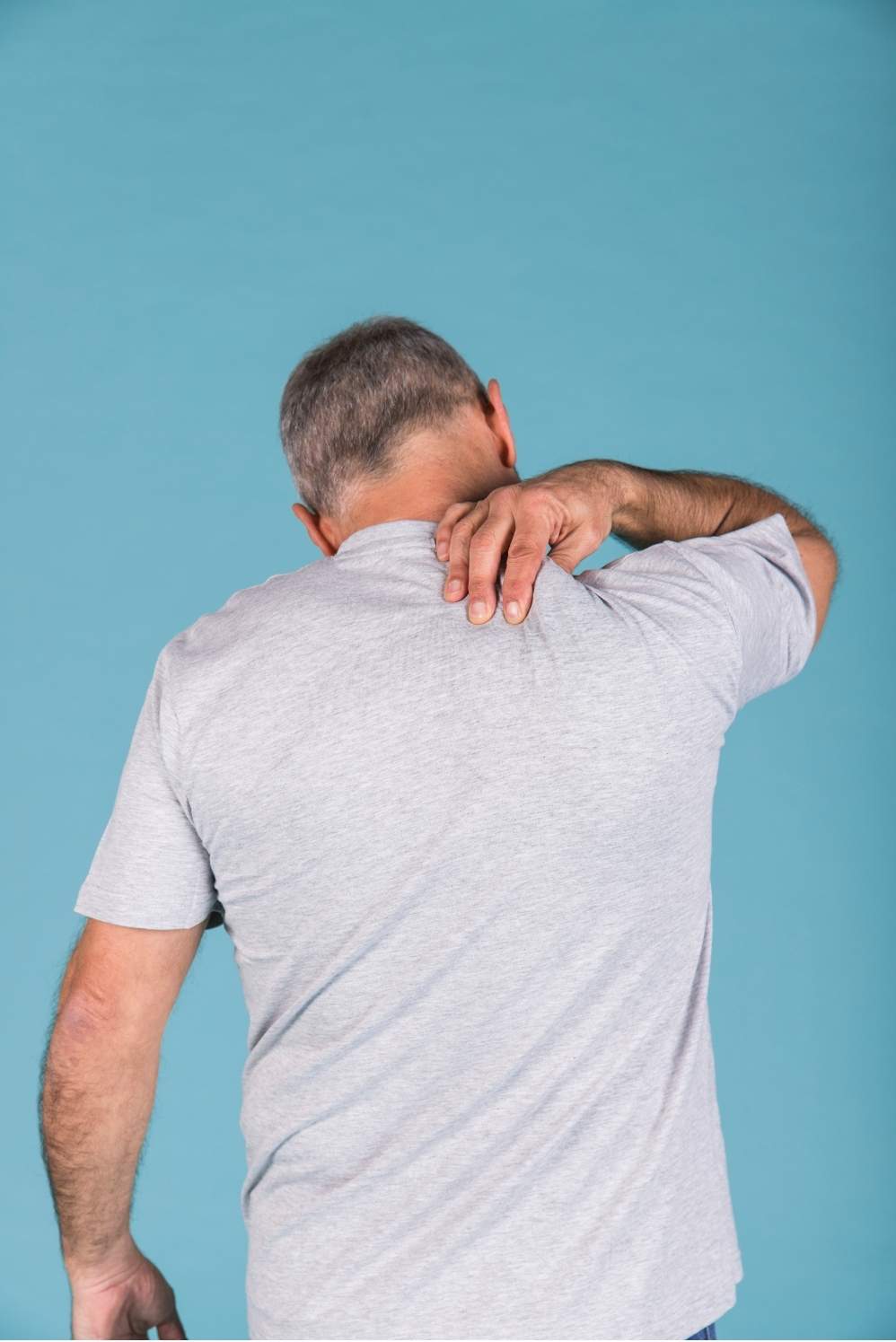
Have you wondered, many people complain about the lower back? But get this, upper back pain (thoracic spine pain) is an increasingly common epidemic in our modern and sedentary society. This discomfort is often felt as a stabbing sensation between the shoulder blades or a dull ache across the tops of the shoulders. This pain can interfere with your ability to breathe deeply, work efficiently and enjoy physical activity.

At Peak Point Physical Therapy, located in the heart of Passaic, NJ and Paterson, NJ, we specialize in advanced recovery protocols for the thoracic spine. We don’t just cover up the symptoms, we actually identify the structural and mechanical root causes of your pain to provide lasting relief.
Anatomy 101: Understanding The Upper Back
To understand why your upper back hurts, we must first understand its complex architecture. The thoracic spine consists of 12 vertebrae (T1 through T12). Unlike the neck (cervical spine) or the lower back (lumbar spine), which are designed for significant movement, the thoracic spine is built for stability.
The Rib Cage Connection
Each thoracic vertebra is connected to a pair of ribs. This creates a “cage” that protects your heart and lungs. However, this connection also means that any stiffness in the upper back can lead straight to rib dysfunction, making it painful to take deep breaths or twist your torso.
The Scapular Interface
Your shoulder blades (scapulae) float over the muscles of the upper back. If the muscles beneath the shoulder blades, such as the rhomboids or middle trapezius become weak or inflamed, it can change the way your shoulders move, leading to a painful cycle of back and shoulder pain.
Identifying the Symptoms of Thoracic Spine Dysfunction
Upper back pain is not always the only issue. It often presents with a cluster of symptoms that can be confusing for patients. Some common signs we treat at Peak Point include:
- Interscapular Pain: Persistent aching specifically located between the shoulder blades.
- Trigger Points: Intense “knots” in the muscle that feel tender to the touch and can send pain radiating toward the neck or arms.
- Localized Sharpness: A sharp, stabbing pain that occurs when you cough, sneeze or rotate your trunk.
- Stiffness in the Morning: Waking up feeling like your rib cage is locked or frozen.
- Postural Fatigue: A burning sensation in the muscles that worsens as the day progresses, especially if you sit at a desk.
Common Causes of Upper Back Pain
1. The “Techie Neck” and Postural Syndrome
In Passaic and the surrounding Bergen County area, many of our patients spend around 8 to 10 hours daily leaning over their laptops or smartphones. This “forward head posture” shifts the weight of your head (which weighs about 10–12 lbs) forward. For every inch your head moves forward, it adds an additiona pressure of upto 10 lbs on the muscles of the upper back. Over time, these muscles overstretch and develop chronic inflammation.
2. Muscle Strain and Overuse
Athletes, often suffer from strains in the trapezius or rhomboid muscles. Sudden movements, like lifting a heavy box improperly or a repetitive pulling motion, can often cause micro-tears in the muscle fibers.
3. Thoracic Facet Joint Dysfunction
Your vertebrae are connected by the small joints called the Facet Joint. Due to poor posture or sudden trauma (like a car accident), these joints can become “stuck” or inflamed, resulting in a sharp and a localized pain that makes your rotation nearly impossible.
4. Costochondritis and Rib Misalignment
Sometimes the pain isn’t in the spine itself, but where the rib meets the spine or the breastbone. This can cause chest pain that mimics more serious conditions. For proper mechanical realignment physical therapy is essential.
5. Herniated Discs (Thoracic)
While less common than lumbar herniations, a thoracic herniated disc can be serious. Because there is less space in the spinal canal in the thoracic region, a bulging disc can put pressure on the spinal cord or nerves, causing numbness or weakness in the midsection or legs.
Don’t Wait for The Upper Back Pain Treatment You Need
Let us help you get back on your feet, strong and happy.
Insurance – For Upper Back Pain Treatment
Peak Point Physical Therapy accepts the following insurance.












We accept the above insurance providers for physical therapy. If your plan is not listed, please call 973-657-6334 on to verify if your insurance plan is accepted or fill in the below form and we will get back to you soon.
Start Here
Take The First Step In Your Recovery Journey Today
Upper Back Pain Treatment Starts here! We want to help you get back to doing the activities that you love. Fill out our short form and we’ll contact you to schedule your appointment as soon as possible!
Why Choose Peak Point Physical Therapy Over Competitors?
When searching for “Physical Therapy in Passaic, NJ,” you have options. However, Peak Point offers a specialized level of care that goes beyond general exercise.
Manual Therapy Excellence
Unlike many clinics that rely on machines, our professional therapists are experts in Manual Therapy. We use joint mobilization techniques to manually glide the vertebrae and ribs back into their optimal positions. This provides immediate relief that exercise alone cannot achieve.
The McKenzie Method (MDT)
We utilize the world-renowned McKenzie Method of Mechanical Diagnosis and Therapy. This approach empowers you with specific movements that “centralize” your pain, moving it away from the extremities and eliminating it at the source.
Scapular Stabilization Training
We don’t just treat the spine, we treat the “scapulothoracic” joint. By strengthening the muscles that control your shoulder blades, we take the mechanical stress off your spine, allowing your body to move with much efficiency and grace.
Our Comprehensive Treatment Approach
Your journey to recovery at Peak Point follows a scientifically backed 4-phase process:
Phase 1: Pain Modulation and Inflammation Control
In the acute phase, our goal is to calm the nervous system. We use:
- Myofascial Release: Deep tissue work to break up scar tissue and “knots.”
- Kinesiology Taping: To provide support to fatigued muscles and improve circulation.
- Electrical Stimulation (E-Stim): To disrupt pain signals.
Phase 2: Restoring Mobility
Once the sharp pain is managed, we address the “why.” We implement:
- Thoracic Extensions: Using foam rollers or specialized chairs to reverse the “hunch.”
- Pectoral Stretching: Opening the chest to allow the shoulders to sit back.
- Rib Mobilization: Ensuring each rib moves freely during deep breathing.
Phase 3: Strength and Stability
This is where we prevent the pain from coming back. We focus on:
- “The Big Three”: Strengthening the Rhomboids, Lower Trapezius, and Serratus Anterior.
- Core Integration: Ensuring your midsection supports your upper body.
- Isometric Holds: Building the endurance needed to sit or stand for long periods without pain.
Phase 4: Ergonomic and Lifestyle Integration
We review your workstation setup, your sleeping position, and your athletic form to ensure your environment supports your health rather than hindering it.
The Long-Term Risks of Ignoring Upper Back Pain
Many people push through or get on with upper back stiffness, but ignoring these signals can lead to:
- Permanent Postural Changes: Including a permanent “dowager’s hump” or hyper-kyphosis.
- Secondary Neck and Shoulder Pain: As the upper back stiffens, the neck and shoulders must overwork to compensate, leading to rotator cuff tears or cervical disc issues.
- Reduced Lung Capacity: A stiff rib cage prevents full expansion of the lungs, which can lead to fatigue and decreased athletic performance.
Don’t Wait for The Upper Back Pain Treatment You Need
Let us help you get back on your feet, strong and happy.
Reviews
Read What Our Patients Are Saying




Take the First Step Towards a Pain-Free Life. Don’t let lower back pain hold you back any longer. Imagine waking up without stiffness, walking without a pain, working efficiently, or playing with your kids without discomfort. This is achievable with the right physical therapy program.
Contact Peak Point Physical Therapy today and schedule your appointment.
Where are we
Locate us on Google Maps
F.A.Q.
FAQs – Physical Therapy For Upper Back Pain Treatment
Can upper back pain cause chest pain?
Yes. Conditions like costochondritis (inflammation of the rib cartilage) or a slipped rib can cause sharp pain that radiates to the chest. Many cases of chest pain are actually mechanical issues in the upper back that physical therapy can fix.
How is upper back pain different from lower back pain?
The lower back is designed for weight-bearing and flexibility (bending/twisting). The upper back is designed for stability and protection. Because the upper back is more “rigid,” physical therapy focuses more on mobility and expansion, whereas lower back therapy often focuses on stability and bracing.
Does stress cause upper back pain?
Absolutely. Most people carry their stress in their “upper traps.” When you are stressed, you tend to hike your shoulders toward your ears and take shallow breaths. This constant tension leads to chronic muscle fatigue and trigger points in the upper back.
Is it okay to “crack” my own upper back?
While it may provide temporary relief, “self-cracking” usually targets the joints that are already moving too much (hypermobile). Physical therapy targets the joints that are stuck, which provides a much deeper and more permanent solution than a temporary pop.
What is the best sleeping position for upper back pain?
We generally recommend sleeping on your back with a small pillow under your knees, or on your side with a pillow between your legs and a “body pillow” to support your top arm. This prevents your upper back from twisting or collapsing forward during the night.