

Welcome to Peak Point PT – Same Team, Same Services, and Same Location of First Class Physical Therapy (NJ). We're excited to introduce our new name! Visit us today for the high-quality care you've always relied on.
5 Plantar Fasciitis Tips For Passaic Walkers
If you live in Passaic, NJ and that first step out of bed is a sharp, stabbing sensation in your heel and is making your morning walk to Main Avenue feel like a chore, there are chances you are dealing with Plantar Fasciitis. In this guide we have given 5 essential plantar fasciitis tips for Passaic walkers.
The leading cause of heel pain worldwide is Planter Fasciitis. For active residents of our community, from those who are commuting via the Passaic Bus Terminal to weekend hikers at Garret Mountain, foot pain is more like a barrier in living their life. At Peak Point Physical Therapy, we have seen how quickly “little soreness” can turn into chronic inflammation.
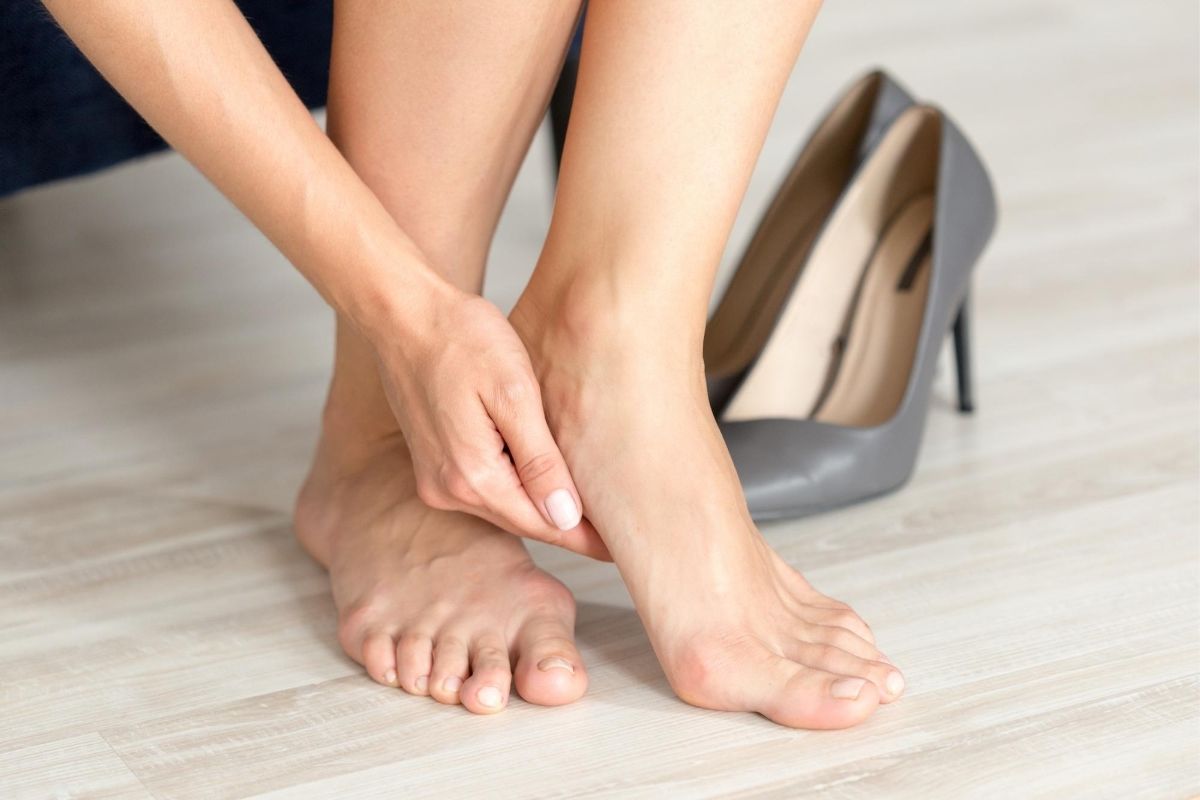
In this comprehensive guide, we provide five expert-vetted tips specifically for Passaic walkers and explain how professional physical therapy can help you regain your mobility.
Let’s Understand The “Passaic Pavement” Problem
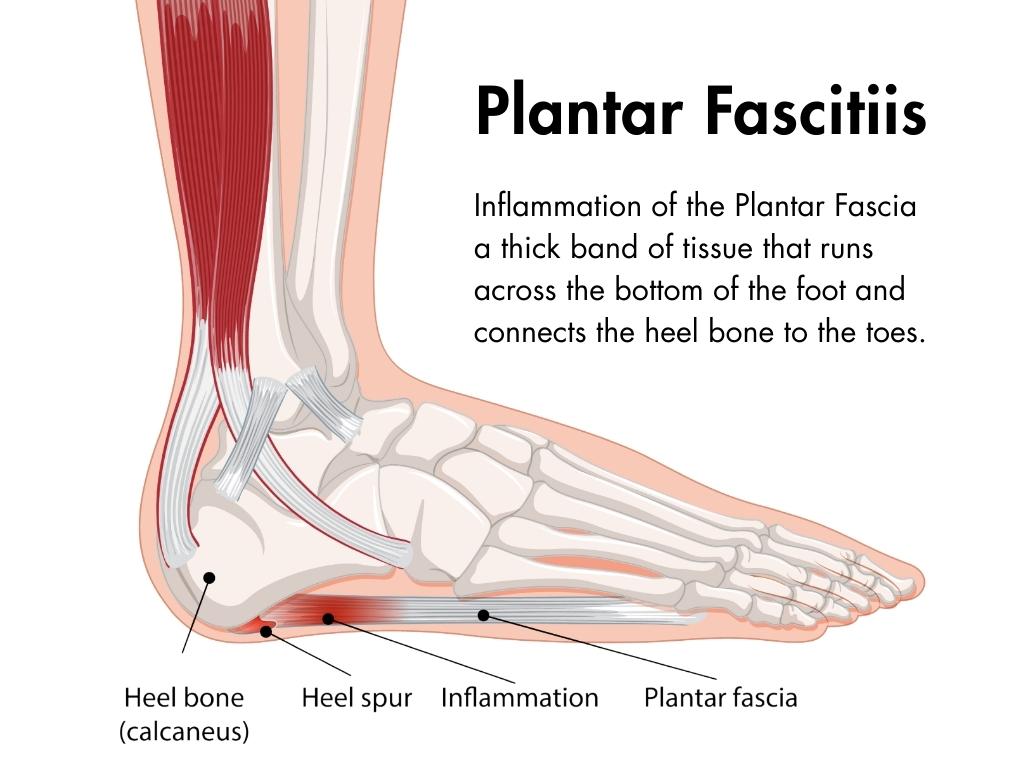
Passaic is a walking city. Whether you’re navigating the shops on Broadway, heading to St. Mary’s General Hospital or walking the kids to School No. 11, your feet take a beating on hard concrete surfaces. Unlike soft grass, pavement provides zero shock absorption. This puts an immense repetitive strain on the plantar fascia, which is the thick band of tissue that connects your heel bone to your toes.
How Does It Happen?
When these tissues are overstretched or tiny tears develop, it can lead to the classic inflammation that we call Plantar Fasciitis. By not having the right approach, this can lead to secondary issues like calf tightness, knee pain and even lower back misalignment.
Check our knee pain and lower back pain management.
5 Plantar Fasciitis Tips For Passaic Walkers
Following are the tips to reduce pain and live an active life.
Tip 1: The “Bedside Strategy” (Pre-Step Stretching)
The most common symptom of Plantar Fasciitis is the pain in the morning after you take the first step. This happens because the fascia attempts to heal and shorten while you sleep. When you stand up, you effectively re-tear those healing fibers.
The Action Plan:
Things to do before your feet even touch the floor:
- The Great Toe Stretch: Sit on the edge of your bed. Cross your affected foot over your opposite knee. Grab your toes and gently pull them back toward your shin until you feel a deep stretch in the arch. Hold for 30 seconds.
- Ankle Circles: Rotate your ankles in both directions 20 times to “wake up” the synovial fluid in the joints.
These methods “primes” the tissue, making it flexible enough to handle the weight of your body without micro-tearing.
Tip 2: The Frozen Water Bottle Massage
For walkers in Passaic, inflammation is one of the primary enemy. While heating pads might feel good momentarily, cryotherapy (cold therapy) is the gold standard for reducing the swelling of the fascia ligament.
The Action Plan:
Pro Tip: Use moderate pressure. You want to feel a “good hurt” that breaks up adhesions (scar tissue) while the ice numbs the pain and constricts blood vessels to flush out inflammation.
Fill a plastic water bottle (standard 16oz) about 75% full and freeze it.
While sitting in a chair, roll your foot over the frozen bottle for 10–15 minutes in the evening.
Tip 3: Audit Your Footwear (The “Passaic Sidewalk” Test)
Many of our patients at Peak Point Physical Therapy realize their pain started shortly after buying a new pair of “fashionable” flat sneakers or wearing out their favorite walking shoes.
The Action Plan:
- The Twist Test: Grab your shoe at the heel and the toe. Try to twist it. A good walking shoe should be rigid in the middle and only flex at the toes.
- Arch Support: Avoid “flats,” flip-flops” or worn-out sneakers. If you’re walking long distances, your shoes need a cushioned heel and firm arch support.
- Replace Regularly: Most walking shoes lose their structural integrity after 300–500 miles. For a daily Passaic walker, that’s about every 6 months.
Tip 4: Strengthen Your “Supporting Crew”
Plantar Fasciitis is rarely just a foot problem. Often, it’s a biomechanical failure. If your calf muscles (gastrocnemius and soleus) are tight, they pull on the Achilles tendon, which in turn pulls on the heel bone and the fascia.
The Action Plan:
- Wall Calf Stretches: Stand facing a wall. Step one foot back, keeping the heel flat and the leg straight. Lean forward until you feel the pull in your calf. Hold for 45 seconds per side.
- Intrinsic Foot Strengthening: Place a small towel on the floor. Using only your toes, “scrunch” the towel toward you. This strengthens the tiny muscles that support your arch, taking the load off the fascia.
Tip 5: Professional Gait Analysis
You can stretch and ice all day, but if your “gait” (the way you walk) is flawed, then the chances for the pain might return. This is where many Passaic residents get stuck in a cycle of temporary relief followed by flare-ups.
The Action Plan:
Consult a professional physical therapist for a gait analysis. At Peak Point, we look for:
- Overpronation: Does your foot roll inward too much?
- Hip Weakness: Are your glutes failing to stabilize your leg, forcing your foot to overwork?
- Limited Ankle Mobility: Does your ankle “lock up,” causing you to push off your toes too aggressively?
Insurance
Peak Point Physical Therapy accepts the following insurance.












We accept the above insurance providers for physical therapy. If your plan is not listed, please call 973-657-6334 on to verify if your insurance plan is accepted or fill in the below form and we will get back to you soon.
Don’t Wait for Plantar Fasciitis PT in Passaic
Let us help you get back on your feet, strong and happy.
Since, we are located at Gregory Ave, Passaic – Clifton, Wallington, Rutherford, Lyndhurst, Garfield, Nutley, etc. are all very close by and we receive patients from all these locations. Please contact us to verify your insurance and we will contact you.
How Peak Point Physical Therapy Outperforms the Competition?
While other clinics might offer a “one-size-fits-all” sheet of exercises, Peak Point Physical Therapy in Passaic takes a localized, hands-on and customized approach. We understand that our patients are busy, who work at the Urban Renewal projects or commuting to the city. You need results that can last.
Our Advanced Treatment Options Include:
- Manual Therapy: Our therapists use specialized hand techniques to “unstick” the fascia and improve joint glide.
- IASTM (Instrument Assisted Soft Tissue Mobilization): We use medical-grade tools to break down deep scar tissue that fingers alone can’t reach.
- Kinesiology Taping: We apply supportive tape to your foot to provide 24/7 arch support while you continue your daily activities in Passaic.
- Custom Home Programs: We give you a digital plan that fits into your specific lifestyle, ensuring you progress even when you aren’t in the clinic.
Reviews
Read What Our Patients Are Saying
Where are we
Locate us on Google Maps
F.A.Q.
FAQs – 5 Plantar Fasciitis Tips For Passaic Walkers
Should I stop walking if I have Plantar Fasciitis?
No, total inactivity can highly lead to stiffness. However, we recommend avoiding high-impact running or walking on steep hills (like the inclines near Garret Mountain) until the acute pain subsides. Transition to the flatter paths at Pulaski Park in the meantime.
How long does it take to heal with Physical Therapy?
Most patients see significant relief within 4 to 6 weeks of consistent PT. While “home remedies” can take 6–12 months to work, professional intervention speeds up the body’s natural healing response by addressing the root cause.
Does Peak Point accept my insurance?
Yes, we work with most major New Jersey providers, including Horizon Blue Cross Blue Shield, Aetna Better Health of NJ, and Medicare. We also assist residents in Clifton, Wallington, and Garfield. Please check our insurance page to find further specific provider within.
Can I get a “quick fix” for my heel pain?
Cortisone shots provide a “quick fix” by numbing the pain, but they don’t fix the weak arch or tight calves. In fact, repeated injections can weaken the ligament. Physical therapy is the only “long-term fix.”