

Welcome to Peak Point PT – Same Team, Same Services, and Same Location of First Class Physical Therapy (NJ). We're excited to introduce our new name! Visit us today for the high-quality care you've always relied on.
Why Knee and Joint Pain Increases In Cold
As the winter comes close and the temperature starts to drop in New Jersey, a common phenomenon begins to affect our community, called the “Winter Ache.” For many, this kind of transition into cold weather does not only bring a need for heavier coats but it also brings a noticeable, persistent stiffness and throbbing in the knees, hips and hands. In this post, we offer reasons and solutions to the burning question, why knee pain and joint pain increases in cold
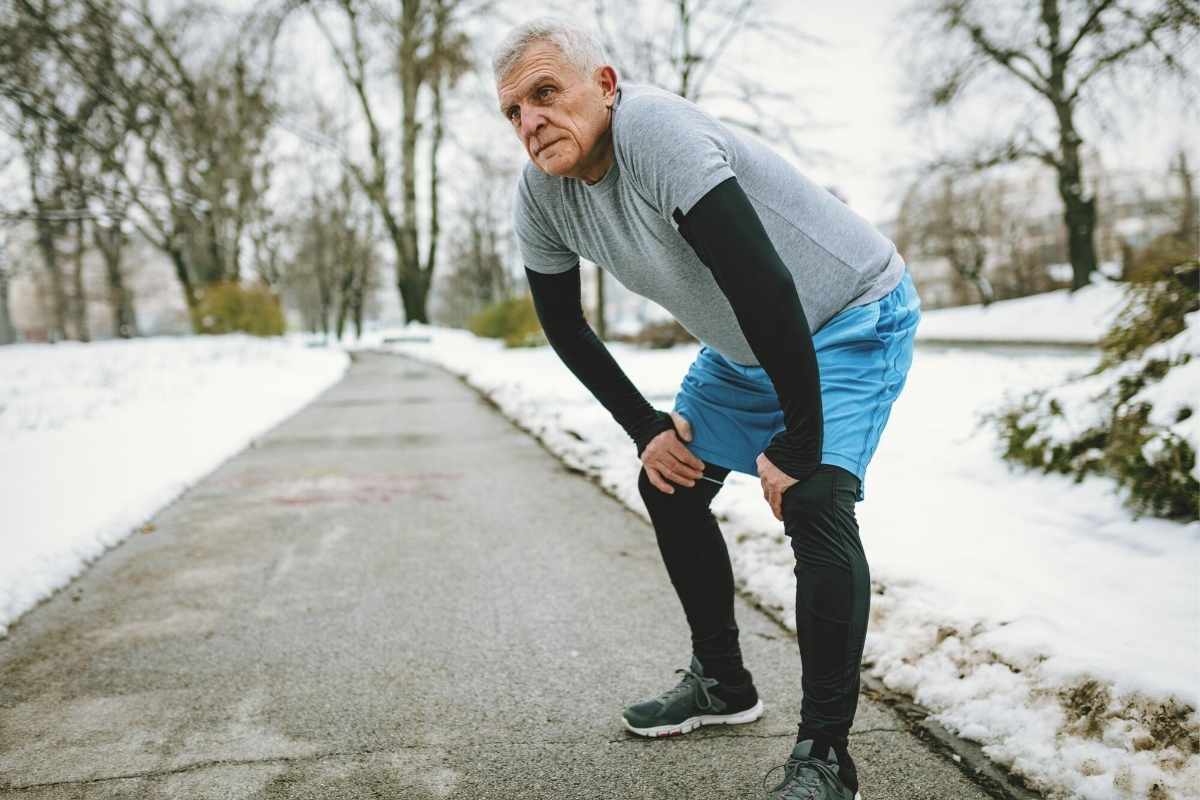
At Peak Point Physical Therapy, we often hear patients say, “I can feel the cold in my bones.” While it sounds like an old tale, modern science proves that cold weather significantly impacts your joint health. In this guide, we will deep down into the biological reasons for winter joint pain and provide a physical therapist’s roadmap to staying mobile during the freeze.
Why Knee and Joint Pain Increases In Cold
Understanding why your body reacts to the cold is the first step in helping manage the pain. There is no single reason why joints hurt in the winter, rather it is a “perfect storm” of biological and environmental factors.
Barometric Pressure
One of the most scientifically backed reasons for weather-related pain is the change in barometric pressure (the weight of the atmosphere). Before a cold front or a storm arrives, the air pressure typically drops.
When the external air pressure decreases, there is less pressure pushing against your body. This allows the tissues within your joints, tendons, muscles and even scar tissue from previous surgeries to slightly expand. In a confined space like the knee joint, even microscopic expansion can irritate sensitive nerves which can lead to that familiar, deep-seated ache.
Synovial Fluid: The Lubricate
Inside every healthy joint is a substance called synovial fluid. Its job is to lubricate the joint and absorb any shocks. Think of synovial fluid like the oil in your car’s engine. In warm weather, the fluid is thin and slippery, allowing for smooth and steady motion.
When temperatures drop, synovial fluid can become thicker. This increased thickness makes the joint feel “heavy” or “creaky,” especially during those first few steps out of bed in the morning.
Peripheral Vasoconstriction: Rerouting Your Heat
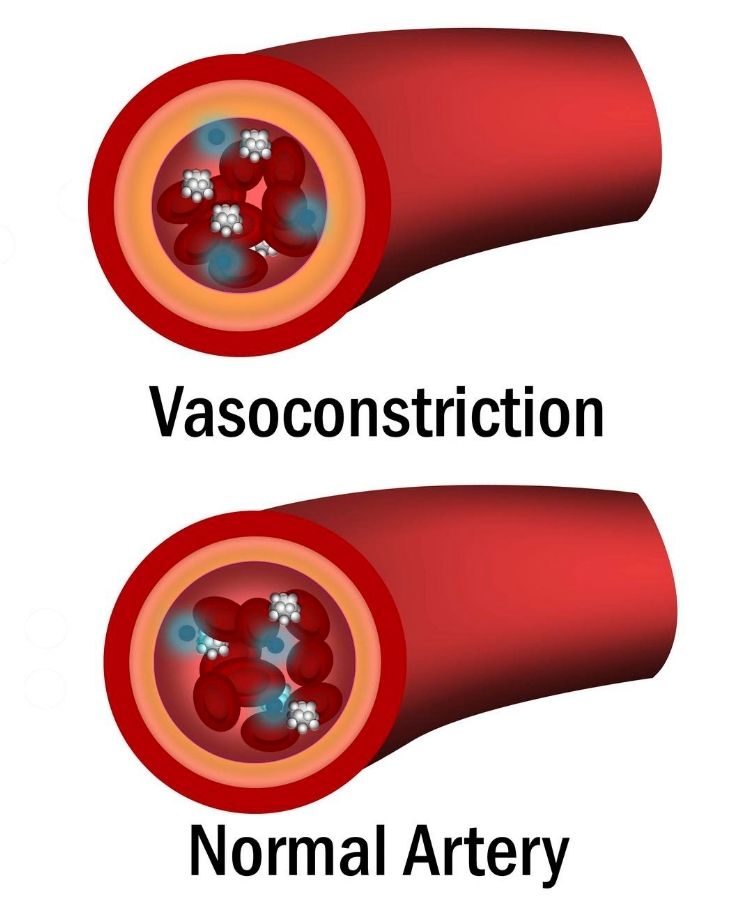
Your body is a master of survival. When you are exposed to cold, your nervous system triggers vasoconstriction—the narrowing of blood vessels in your extremities (arms and legs). This process reroutes warm blood to your core to protect your vital organs like your heart and lungs.
While this keeps you alive, it leaves your joints “out in the cold.” Reduced blood flow means less warmth and oxygen reach the tissues around your knees and hips, which can cause muscles to tighten and pain to intensify.
Who is Most at Risk?
During colder months anybody can feel joint discomfort, while some people can face a significant higher risk with winter related pains.
Sedentary Individuals: Lack of movement prevents the “pumping” action that keeps joints lubricated.
Osteoarthritis Patients: As cartilage wears down, the exposed nerves in the bone become hyper-sensitive to pressure changes.
Previous Injury Victims: Scar tissue doesn’t expand or contract the same way as healthy tissue, leading to tension at the site of old injuries.
It’s natural to wrap up in a blanket and stay still when your joints hurt. However, as physical therapists, we know that inactivity is the enemy of stiff joints.
Movement triggers the production of synovial fluid and increases circulation overall. To beat the cold, we recommend a “Warm-Up” strategy that starts before you even leave the house.
Indoor Mobility Routine
Before stepping out into the Passaic winter air, try to spend 10 minutes doing these low-impact movements:
- Seated Leg Extensions: Sit in a firm chair and slowly straighten one leg at a time. This warms up the quadriceps and lubricates the kneecap.
- Ankle Pumps: Move your feet up and down as if pressing a gas pedal. This stimulates blood flow back up the leg.
- Gentle Hip Circles: While standing and holding a chair for balance, make small circles with your hip to “grease” the joint socket.
Lifestyle Adjustments for a Pain-Free Winter
Beyond exercise, these lifestyle shifts can mitigate the effects of the cold.
Strategic Layering
To protect your joints, wearing a big coat is just not enough, you must focus on local warmth.
- Compression Sleeves: Wearing a light neoprene or fabric sleeve over a problematic knee can trap body heat directly at the joint.
- Thermal Base Layers: Wicking materials keep the skin dry and warm, preventing the “chill” that leads to muscle guarding.
Hydration and Nutrition
We often forget to drink water in the winter because we aren’t sweating like we do in July. However, cartilage is roughly 70% to 80% water. If you are dehydrated, your joints lose their “cushion,” making every step feel more impactful.
- Anti-Inflammatory Foods: Incorporate omega-3 fatty acids (found in salmon or walnuts) and turmeric to naturally combat the inflammation that cold weather amplifies.
Physical Therapy: Having A Professional Edge
If your pain continues despite home care, it may be time for a targeted intervention. At Peak Point Physical Therapy, we don’t just treat the pain, we treat the core mechanic.
Manual Therapy
Our therapists use hands-on techniques to break up adhesions in the fascia and improve the glide of your joints. This can “reset” the joint’s sensitivity to barometric changes. Please check our manual therapy page.
Custom Strengthening
Often, knee pain is actually a hip or ankle problem. If your glutes get weak, your knee takes the heat on every step. At Peak Point PT we create custom strengthening programs that strengthen your joints against the added stresses of winter.
Insurance
Peak Point Physical Therapy accepts the following insurance.












We accept the above insurance providers for physical therapy. If your plan is not listed, please call 973-657-6334 on to verify if your insurance plan is accepted or fill in the below form and we will get back to you soon.
Myths vs. Facts: Let’s Set the Record Straight
Let’s debunk common winter pain myths:
Myth – Cold weather causes arthritis.
Fact – Cold weather does not cause arthritis, but it makes the symptoms of existing inflammation much more noticeable.
Myth – You should avoid all exercise if it hurts.
Fact – While sharp pain is a warning, “achy” stiffness is usually a signal that you need to move more (gently).
Myth – Only older people feel joint pain in the cold.
Fact – Athletes and those with old sports injuries often feel the cold just as much as those with arthritis.
Don’t Wait for Joint Pain & Knee Pain PT in Passaic
Let us help you get back on your feet, strong and happy.
Since, we are located at Gregory Ave, Passaic – Clifton, Wallington, Rutherford, Lyndhurst, Garfield, lodi, Nutley, etc. are all very close by and we receive patients from all these locations. Please contact us to verify your insurance and we will contact you.
Conclusion – Why Knee and Joint Pain Increases In Cold
You shouldn’t have to wait to enjoy your life. By understanding the relationship between barometric pressure, circulation and joint health, you can take proactive steps to stay comfortable.
At Peak Point Physical Therapy, we are dedicated to helping our neighbors in Passaic and beyond move better and feel stronger, no matter what the thermometer says.